Learning the Language of Our Clients: The TryHackMe Challenge
The Cate Urban Communications team prides itself on developing smart strategies with lasting impact. Our clients trust us to communicate the benefits of their products and services. To earn that trust, we do our very best to learn the ins and outs of their business offerings. This summer, the team took it to the next level by taking TryHackMe courses online to better support WarCollar Industries’ and Mind Moves’ goals.
What is TryHackMe
TryHackMe is an online platform that teaches cybersecurity through interactive virtual labs, guided learning paths, and short game-like challenges. It covers both offensive hacking (red teaming) and defensive security (blue teaming) for all skill levels. What’s cool about the platform, is that it assesses your existing skill level and starts your learning experience accordingly.
Who Participated
We are a small team, but represent diverse educational and career backgrounds.

Cate Urban, Owner + Lead Designer
My knowledge of cybersecurity comes from on-the-job experience and asking her clients and cybersecurity expert husband questions ad nauseum. My degree in Russian language comes in handy in the realm of coding and thoughtfulness in choosing the right terms.

Tim McHenry, Writer + Researcher
Before joining the team, Tim served as as Sr. Editorial Coordinator at the American Association for the Advancement of Science. This combined with his degree in journalism makes him a rockstar at explaining complex cybersecurity concepts on a level that anyone can understand.

Erik Haupt, Technical Communications Intern
Erik is the real ringer of the team. He is currently pursing a degree in computer engineering at Old Dominion University, and the only one in this group who has ever built is own computer. He has the freshest perspective on current trends and changes in the industry.
Lessons Learned
We’re quite confident in our knowledge of cybersecurity, and we have the coursework to back that confidence up!
Our clients’ clients deserve more description of how easily hackers can get to them. We’re equipped to do that!
How Our Cybersecurity Skills Align with Communications Skills
TryHackMe doesn’t just lay out coursework for the cyber curious. They gauge your interests and proclivities and suggest what cybersecurity roles you would be best fit for. When we took a closer look at what each of these roles bring to cybersecurity, we also saw what makes us such a dynamic communications team.
TryHackMe recommended Cate become an Incident Responder.
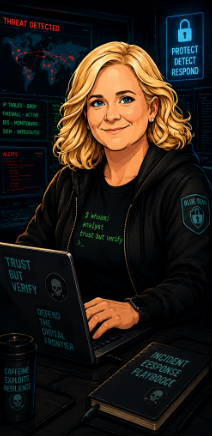
Cybersecurity Skills
Quickly assessing incomplete info
Identifying the root cause
Coordinating across teams
Writing incident reports
Briefing execs during a crisis
Managing cyber incidents
Understanding attacker behavior
Related Communications Skills
Rapid research, message development
Distilling complex issues
Cross-functional communication
Blogs, exec summaries, case studies
Exec comms, talking points
Crisis communications
Audience analysis, messaging
TryHackMe recommended Tim become a Penetration Tester
Lorem ipsum…
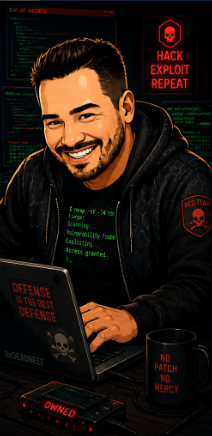
Cybersecurity Skills
Reconnaissance (OSINT)
Vulnerability Assessment
Exploit Development
Social Engineering
Detection Evasion
Continuous Learning
Related Communications Skills
Audience research and analysis
Identifying messaging gaps
Creating compelling campaigns
Understanding human psychology + behavior
Crafting messages that overcome skepticism
Keeping pace with changing audience behaviors and industry trends
TryHackMe recommended Erik become a Security Engineer
Lorem ipsum…
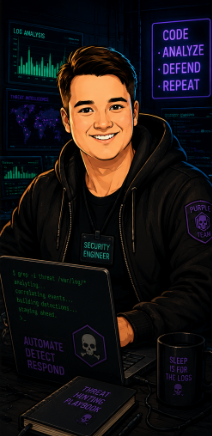
Cybersecurity Skills
Designing secure architectures
Evaluating security tools
Working with developers
Threat modeling
Automation and scripting
Related Communications Skills
Explaining complex systems clearly
Writing product comparisons, reviews
Translating jargon
Identifying audience concerns, tailoring messaging
Understanding technical workflows for accurate storytelling
How We Come Together to Form a Communications Dream Team
An incident responder brings calm under pressure, audience-focused messaging, and the ability to translate complex situations into clear, actionable communications during both crises and routine campaigns. A penetration tester contributes curiosity, creativity, and a talent for understanding target audiences, uncovering competitive opportunities, and crafting messages that anticipate questions and objections. A security engineer provides the systems thinking needed to build scalable marketing processes, maintain consistent branding, and optimize digital platforms through careful planning and continuous improvement.
Together, we combine analytical rigor, strategic problem-solving, and strong communication skills to create a marketing team that is data-driven, adaptable, and highly effective at connecting with technical and non-technical audiences alike.